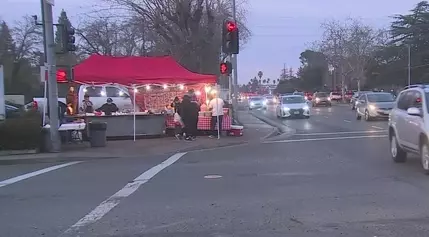
Local authorities in Sacramento County are planning to implement stricter regulations on unlicensed food vendors. The county has faced a growing number of complaints regarding these informal eateries, raising concerns about public safety and hygiene. In response, officials are considering new measures that would require vendors to obtain licenses and adhere to specific location restrictions. These changes aim to address potential health risks while maintaining the vibrant street food culture.
Addressing Health and Safety Concerns
The primary focus of the proposed regulations is to enhance public health and safety. Over the past year, Sacramento County has received approximately 340 complaints from residents about unauthorized food stands. Many of these vendors operate without proper inspections, posing a risk of foodborne illnesses. County spokesperson Ken Casparis emphasized the importance of ensuring safe food handling practices, particularly when vendors set up in high-traffic areas like sidewalks. The new rules would mandate annual licensing for all food sellers, helping to ensure they meet basic health and safety standards.
To mitigate health risks, the proposed regulations would require vendors to undergo regular inspections and adhere to strict guidelines on food preparation and storage. This includes prohibiting the setup of food stands near sensitive locations such as highway entrances, schools, bike paths, and parking spots. By enforcing these measures, the county aims to reduce the likelihood of contamination and protect consumers from potential health hazards. Additionally, vendors who violate the rules could face fines of up to ,000 and have their equipment seized, serving as a deterrent against non-compliance.
Impact on Local Vendors and Community
The introduction of these regulations could significantly impact local food vendors, many of whom rely on street sales for their livelihood. Jaime Ruiz, a tamale seller, expressed uncertainty about how the new rules might affect his business. Despite selling up to 150 homemade tamales daily, Ruiz noted that none of his customers have reported any health issues. However, he acknowledges that the new requirements may introduce challenges, especially for small-scale operators who may struggle with the cost and administrative burden of obtaining licenses.
The Sacramento County Board of Supervisors will review the proposed changes at its upcoming meeting next Tuesday. If approved, the new licensing system would go into effect in March. While some vendors remain skeptical, supporters argue that the regulations will ultimately benefit the community by fostering a safer and more regulated environment for both vendors and consumers. The county hopes that these measures will strike a balance between preserving the popular street food culture and addressing legitimate health and safety concerns.
New